Walled Garden 2025 (Collector Viewpoint detail), Jan Robert Leegte
The solo releases curated by Fakewhale between April and July 2025 form a structured sequence of digitally native projects published on the Ethereum network.
Each was conceived as an independent system, defined by its own logic of form, distribution, and collector activation.
This recap provides a comprehensive overview of the data while revealing how these releases fit within an ongoing curatorial process that connects artistic vision, technical design, and market trajectory.
For collectors and enthusiasts following the evolution of the field, this synthesis offers an opportunity to examine what has been activated, identify emerging patterns, and understand the structural value each release has generated within the real-time system.

Andy Duboc — cornell_Box
With cornell_Box, Andy Duboc reopens the visual grammar of the Cornell Box, transforming it into a dynamic generative environment of autonomous light.
The work, coded in WebGL, generates abstract real-time variations where light is celebrated as a conceptual element.
The computational scene becomes a performative digital space where physics is rewritten through controlled aesthetics and geometry.
The release was published on Verse in April 2025, with 87 editions minted and distributed among 50 collectors. With a total sales volume of $3,114, the project activated a compact network of attentive presences, positioning itself as a minimal investigation of high formal intensity.

Jesse Draxler — C2ASH
In C2ASH, Jesse Draxler refines the compositional entropy of his generative structure.
Analog fragmentation, informed by the artist’s memory, is translated into generative digital logic.
Within an advanced system of recompositional formal rigor, the series evolves Draxler’s expressive metrics through the act of minting, where each iteration reassembles fragments of Jesse’s memory.
Published on Verse in May 2025, the release featured 75 editions and reached 48 collectors, generating a total sales volume of $7,432. The project extended Draxler’s ongoing visual language, affirming his ability to translate analog structure into systemic form.


Still from cornell_Box by Andy Duboc


C2ASH #10 by Jesse Draxler :: C2ASH Collection


Jan Robert Leegte — Walled Garden
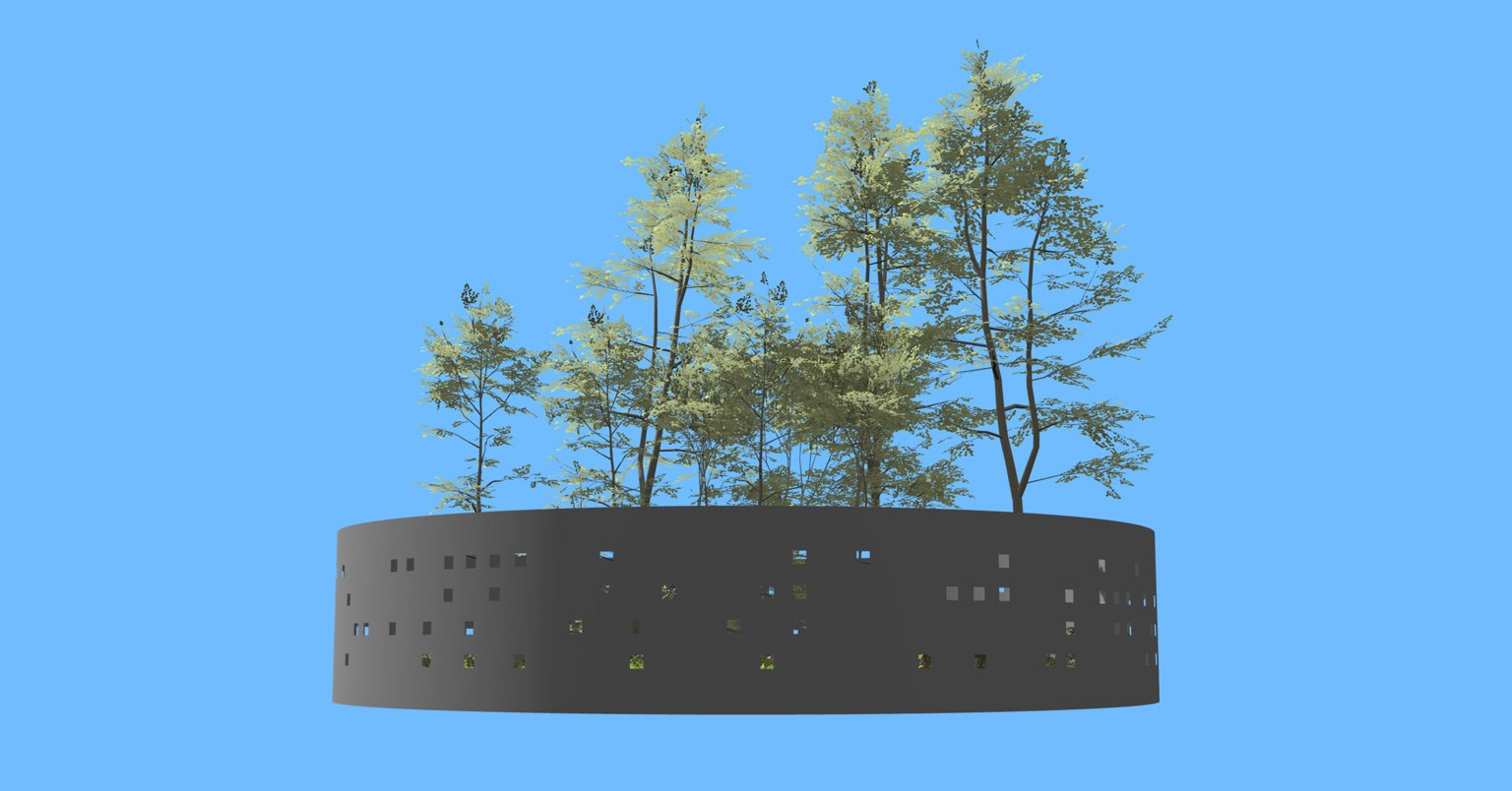
In Walled Garden, Jan Robert Leegte constructs a generative environment twenty meters in diameter, enclosed by a wall and visible through 150 distinct openings.
Each NFT functions as a perspective. Each window becomes a point of view.
The presence of the collector appears within the work itself, shaping a system where observation becomes relation.
Released in June 2025 via a custom Ethereum smart contract and a dedicated platform, the project involved 96 collectors across 150 editions, reaching a total sales volume of $86,120, including secondary activity. Among its collectors is XCOPY, positioning the release as a central node in the recent history of advanced generative collecting.

Walled Garden by Jan Robert Leegte | Collector view with ENS identity overlay


Andreas Rau — Symphony for n Metronomes
Rau composes a performative system in which each mint becomes an active part of a distributed rhythm.
Symphony for n Metronomes is built as an expanding environment, where time is the material and the collector is a co-composer.
The live interface, developed by Rau, registers each gesture and integrates it into the collective rhythm of the system, continuously shaped and modified through the minting process.
Launched on Verse in June 2025, the work produced 500 minted editions, distributed across 202 collectors, reaching a current total of $15,009. The project expanded the notion of generativity, allowing code to operate not only as a visual process but as an architecture of synchronized participation.

François Vogel — ENTRO_PY
ENTRO_PY operates outside the generative paradigm. Vogel intervenes directly on recorded space-time, building distortion architectures through movement, camera manipulation, and editing.
Each work emerges from a physical performance where the body alters the camera and the camera deforms reality.
The video pieces become visual structures formed through concrete action, with glitch functioning as a perceptual mechanism guided by choreographic logic. Linear vision is broken apart, folded, and treated as material.
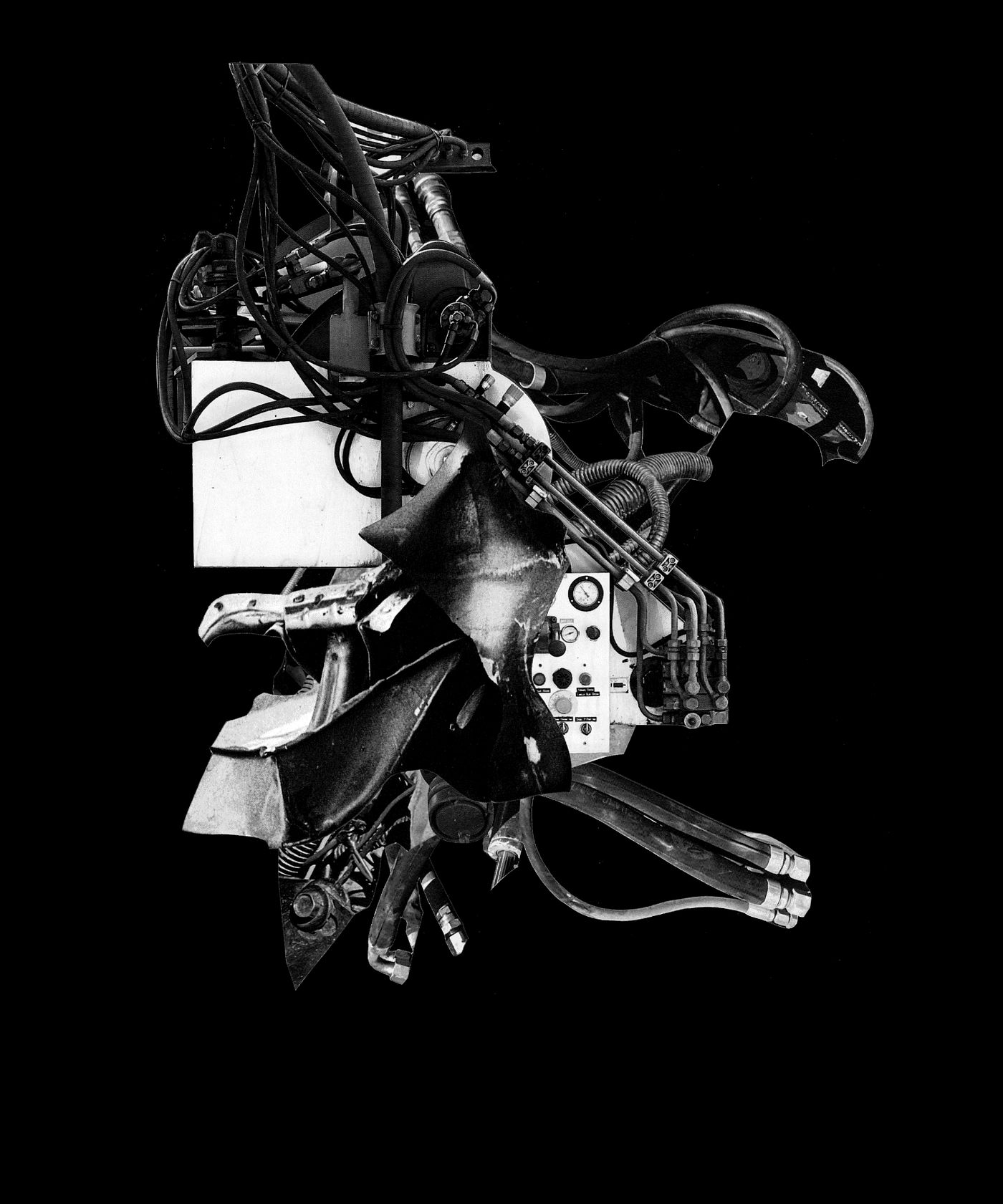
Released on Verse in July 2025, the series includes twenty 1/1 works collected by 15 profiles, for a total volume of $7,978. ENTRO_PY introduces a critical fracture within the computational flow. It does not extend automated generation. It suspends its continuity.

System views from Symphony for n Metronomes, 2025, by Andreas Rau


Still from TREE RINGS, part of the Entro_py series by François Vogel


The releases developed over this period form a distribution of actions, each positioned through focused curatorial direction.
Each project functioned as a temporary infrastructure, designed to expand the parameters of digital presence, economic form, and collector interaction.
Together, they outline an operational field where digitally native art manifests as architecture and historical contribution.
Fakewhale operates within this trajectory not as representation, but as structure.
These releases articulate what becomes possible today when the artist’s language evolves into a system, and collection emerges as a network of layered acts shaped by the vibrational field of the artist and the active presences surrounding it.